 Save to Pinterest
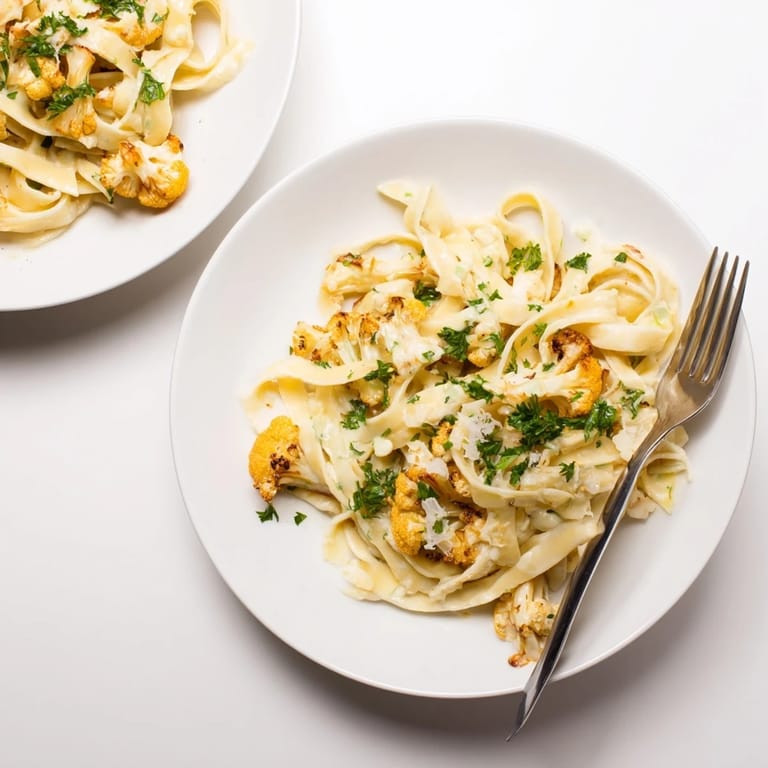
 My daughter once wrinkled her nose at the sight of cauliflower on her plate, convinced it was the enemy. Then I blended it into Alfredo sauce, and she ate two bowls without asking what made it so creamy. That small victory taught me that sometimes the best cooking isn't about hiding vegetables, it's about letting them shine in a new way. Roasting transforms cauliflower from bland to nutty and sweet, and when you blend it with butter, Parmesan, and a whisper of nutmeg, it becomes a sauce that clings to pasta like a secret you can't wait to share. This recipe has become my weeknight magic trick.
I made this for a friend who was trying to eat more vegetables but missed rich, comforting dinners. She called me the next day asking for the recipe, convinced I'd used heavy cream. When I told her it was mostly cauliflower, she laughed and said she'd been fooled by a vegetable for the first time in her life. We've joked about it ever since, and now she makes it for her own family on busy nights. It's become our shared proof that healthy doesn't have to mean boring.
Ingredients
- Cauliflower: The star of the sauce, roasting brings out its natural sweetness and creates a creamy base that mimics the richness of heavy cream.
- Garlic: Roasting mellows its sharpness into a sweet, caramelized flavor that blends seamlessly into the sauce.
- Whole milk: Adds just enough creaminess without overwhelming the cauliflower, and you can swap it for unsweetened almond or oat milk if you prefer.
- Parmesan cheese: The salty, nutty backbone of any good Alfredo, it melts into the sauce and adds that unmistakable umami depth.
- Unsalted butter: A little goes a long way, coating the cauliflower before roasting and enriching the final sauce.
- Fettuccine: Classic flat noodles hold the sauce beautifully, but any pasta shape you love will work just as well.
- Nutmeg: A tiny pinch adds warmth and a hint of something mysterious that people can never quite place.
- Salt and black pepper: Essential for bringing out every layer of flavor, taste and adjust before serving.
- Fresh parsley and extra Parmesan: A bright, fresh finish that makes the dish look as good as it tastes.
Tired of Takeout? 🥡
Get 10 meals you can make faster than delivery arrives. Seriously.
One email. No spam. Unsubscribe anytime.
Instructions
- Get the oven ready:
- Preheat your oven to 425°F and line a baking sheet with parchment paper so nothing sticks. This high heat is key to getting those golden, caramelized edges on the cauliflower.
- Prep the cauliflower:
- Toss the florets and garlic cloves with a tablespoon of butter, making sure everything is lightly coated. Spread them out in a single layer so they roast evenly instead of steaming.
- Roast until golden:
- Let them roast for 25 to 30 minutes, stirring halfway through so all sides get crispy and tender. The garlic will soften and sweeten, and the cauliflower will develop nutty, caramelized notes.
- Cook the pasta:
- While the vegetables roast, boil your pasta in well-salted water until al dente, then save a cup of that starchy pasta water before draining. That water will help you adjust the sauce consistency later.
- Blend the sauce:
- Combine the roasted cauliflower, garlic, remaining butter, milk, Parmesan, nutmeg, salt, and pepper in a blender and puree until silky smooth. Add reserved pasta water a little at a time if you want it thinner or more pourable.
- Heat and toss:
- Pour the sauce into a large skillet over medium heat and let it warm through, then add the drained pasta and toss until every strand is coated. The sauce will cling beautifully and thicken slightly as it heats.
- Serve and garnish:
- Plate it up immediately, topped with a sprinkle of fresh parsley and extra Parmesan if you like. Serve it hot, and watch it disappear.
 Save to Pinterest
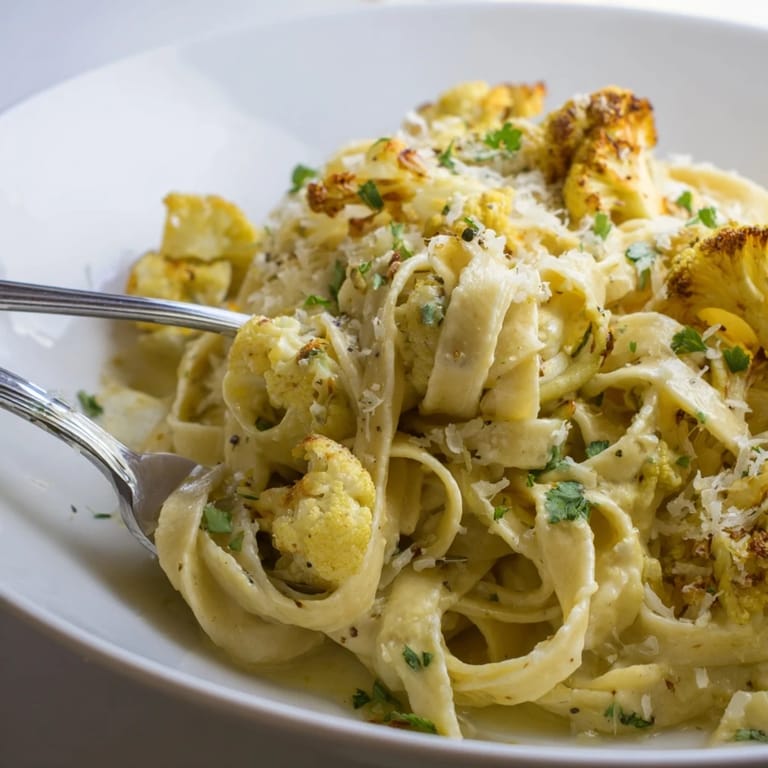
 One evening, my husband came home stressed from work, and I served him this pasta without any fanfare. He ate in silence, then looked up and said it tasted like comfort in a bowl. That's when I realized this recipe isn't just about sneaking in vegetables, it's about creating warmth and ease when life feels too heavy. It's become the dish I make when someone needs a little extra care.
Making It Your Own
I've played with this recipe more times than I can count, and it's incredibly forgiving. A squeeze of lemon juice brightens the whole sauce and cuts through the richness, especially if you're using full-fat dairy. If you want a little heat, a pinch of red pepper flakes stirred in at the end wakes everything up. I've also made it with broccoli instead of cauliflower when that's what I had on hand, and it worked beautifully. The key is roasting whatever vegetable you choose until it's deeply golden and sweet.
Storage and Reheating
Leftovers keep in the fridge for up to three days in an airtight container, and they reheat better than most cream-based sauces. I add a splash of milk or pasta water to the skillet when reheating, stirring gently over low heat until the sauce loosens and clings to the noodles again. You can also reheat individual portions in the microwave, covered, stirring halfway through. The sauce may thicken as it sits, but it comes back to life with just a little liquid and heat.
Serving Suggestions
This pasta is rich enough to stand on its own, but I like to serve it with a simple arugula salad dressed in lemon and olive oil to balance the creaminess. Garlic bread or a crusty baguette is perfect for scooping up any extra sauce left in the bowl. If you want to add protein, grilled chicken, sautéed shrimp, or even crispy chickpeas work beautifully on top.
- Pair it with a crisp white wine like Pinot Grigio or Sauvignon Blanc.
- Top with toasted pine nuts or breadcrumbs for extra texture.
- Serve it family-style in a big bowl so everyone can dig in together.
 Save to Pinterest
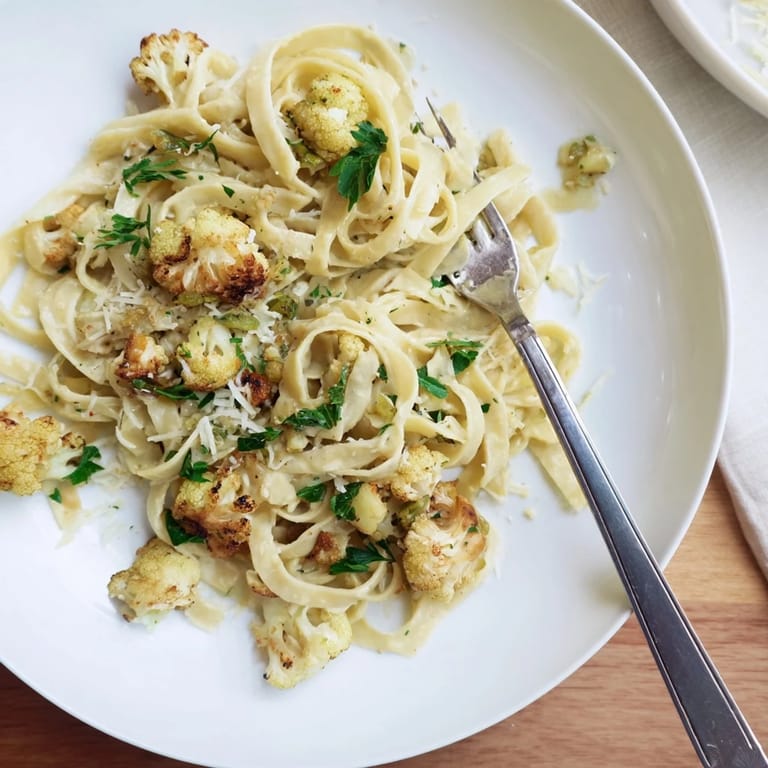
 This dish has a way of turning an ordinary Tuesday into something that feels special, and it does it without any fuss or fancy ingredients. I hope it becomes a favorite in your kitchen, the way it has in mine.
Common Questions
- → Can I make this sauce ahead of time?
Yes, prepare the blended sauce up to 2 days ahead and store in an airtight container in the refrigerator. Gently reheat over medium-low heat with a splash of milk or pasta water to restore creaminess before tossing with fresh pasta.
- → What type of pasta works best?
Fettuccine is traditional, but any ribbon or tube pasta like pappardelle, tagliatelle, or penne works beautifully. Gluten-free options are excellent substitutes for dietary needs.
- → How do I prevent the sauce from breaking?
Keep heat at medium or lower and stir constantly after adding pasta. The reserved starchy pasta water helps maintain emulsion. Avoid boiling vigorously once the sauce is added.
- → Can I use frozen cauliflower?
Thaw and pat frozen cauliflower dry before roasting. Cooking time may decrease slightly since florets are smaller. Monitor for even browning and adjust timing as needed.
- → What are good flavor additions?
Enhance with fresh lemon juice, roasted red pepper, crispy sage, or a pinch of white wine. Fresh thyme or oregano complement the garlic beautifully without overpowering the delicate sauce.
- → Is this suitable for dairy-free diets?
Absolutely. Substitute whole milk with unsweetened oat or almond milk, use dairy-free butter, and replace Parmesan with nutritional yeast or cashew-based alternatives for equally creamy results.