 Save to Pinterest
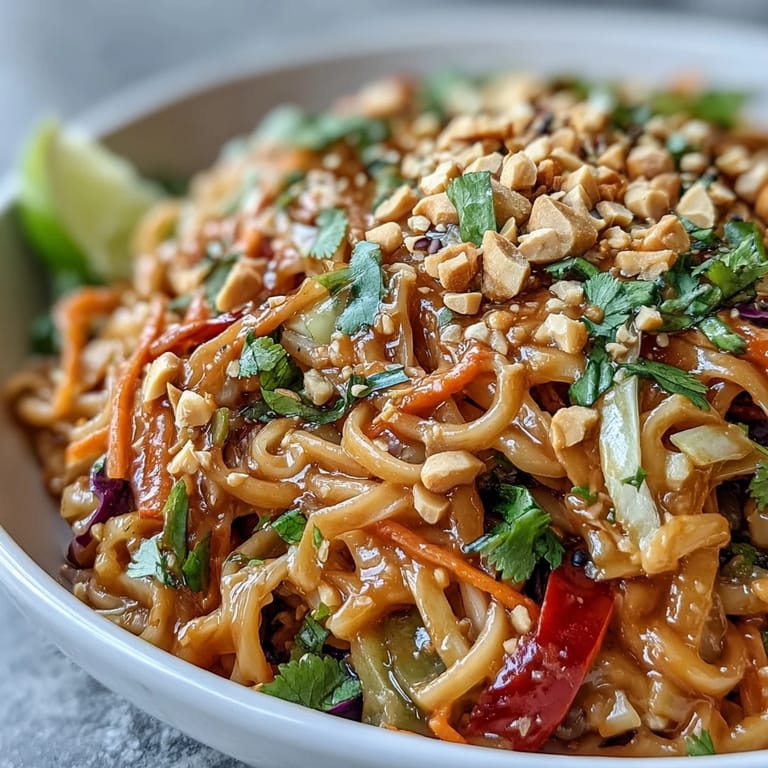
 There's something about the smell of sesame oil hitting a hot pan that instantly transports me to a tiny noodle shop tucked between two office buildings in the city. One afternoon, my coworker brought these vibrant noodle bowls to lunch, and I watched her toss everything together with such casual confidence—fresh vegetables catching the light, that amber-colored peanut sauce coating every strand. I went home that night determined to recreate it, and what emerged was this bowl: a perfect balance of creamy, tangy, and fresh that somehow tastes better when you make it yourself.
I made this for my partner on a sweltering summer evening when the last thing either of us wanted was to turn on the oven. The cool noodles, the crunch of fresh vegetables, and that creamy peanut dressing somehow felt indulgent and light at the same time—we ended up eating it three nights that week. It became the recipe I'd return to whenever I needed something nourishing but uncomplicated, something that genuinely satisfied rather than just filled the plate.
Ingredients
- Rice or wheat noodles (300 g): Rice noodles give a delicate, slightly chewy texture that absorbs the dressing beautifully, though wheat noodles work if you prefer something heartier and more substantial.
- Carrot, julienned: The sweetness of raw carrot balances the savory dressing, and those thin strands catch every drop of sauce.
- Red bell pepper, thinly sliced: Choose one that's firm and glossy—it should snap when you cut it, adding both sweetness and a satisfying crunch.
- Red cabbage, shredded (1 cup): This adds earthiness and holds its crunch even when coated with dressing, unlike green cabbage which can become too soft.
- Scallions, thinly sliced: Slice them at an angle so they're longer and more visually interesting, plus they look better on the plate.
- Fresh cilantro (1/2 cup): Some people skip this, but those bright, slightly peppery leaves are what elevate the bowl from tasty to memorable.
- Bean sprouts (1/2 cup): Fresh, tender sprouts add life and lightness—avoid the ones that smell musty or look brown at the edges.
- Creamy peanut butter (1/3 cup): Use natural peanut butter if you prefer, though the conventional kind blends more smoothly into the dressing.
- Soy sauce (2 tbsp): This is your umami backbone—tamari works beautifully if you're avoiding gluten and tastes slightly less salty.
- Sesame oil (1 tbsp): A little goes a long way, and toasted sesame oil makes a noticeable difference in depth compared to the regular version.
- Rice vinegar (1 tbsp): The gentle acidity keeps everything balanced without overpowering the other flavors.
- Honey or maple syrup (1 tbsp): This rounds out the dressing with subtle sweetness that makes everything feel cohesive.
- Fresh ginger (1 tsp, grated): Grate it just before mixing so the oils are still bright and potent.
- Garlic clove, minced (1 small): Raw garlic adds a sharp note that's essential to the dressing's character.
- Warm water (2–4 tbsp): The exact amount depends on your peanut butter's consistency and how thick you like the dressing.
- Roasted peanuts (2 tbsp), chopped: Toast them yourself if you have time—they're nuttier and more satisfying than pre-roasted.
- Toasted sesame seeds (1 tsp): These finish the bowl with a subtle crunch and a hint of nutty aroma.
- Lime wedges: Essential for serving—a squeeze of lime before eating brightens everything and adds complexity.
Tired of Takeout? 🥡
Get 10 meals you can make faster than delivery arrives. Seriously.
One email. No spam. Unsubscribe anytime.
Instructions
- Prepare your noodles:
- Bring a large pot of water to a boil and cook the noodles according to the package instructions—don't overcook them or they'll turn mushy and won't hold the dressing well. Drain them, rinse under cold water until they're completely cool, and toss with a tiny drizzle of sesame oil to prevent sticking.
- Make the dressing:
- In a medium bowl, whisk together the peanut butter, soy sauce, sesame oil, rice vinegar, honey, ginger, and garlic until everything is incorporated. Gradually whisk in warm water a tablespoon at a time until the dressing reaches a pourable consistency—it should coat the back of a spoon but still flow easily.
- Assemble the vegetables:
- Have all your vegetables prepped and arranged near your mixing bowl—julienned carrot, sliced bell pepper, shredded cabbage, sliced scallions, cilantro leaves, and bean sprouts. This moment of preparation is when the recipe feels most alive, all those colors and textures ready to come together.
- Combine everything:
- In a large mixing bowl, combine the cooled noodles with all the vegetables, then pour the peanut dressing over the top. Toss everything together gently but thoroughly, making sure the dressing coats every strand of noodle and every piece of vegetable.
- Plate and finish:
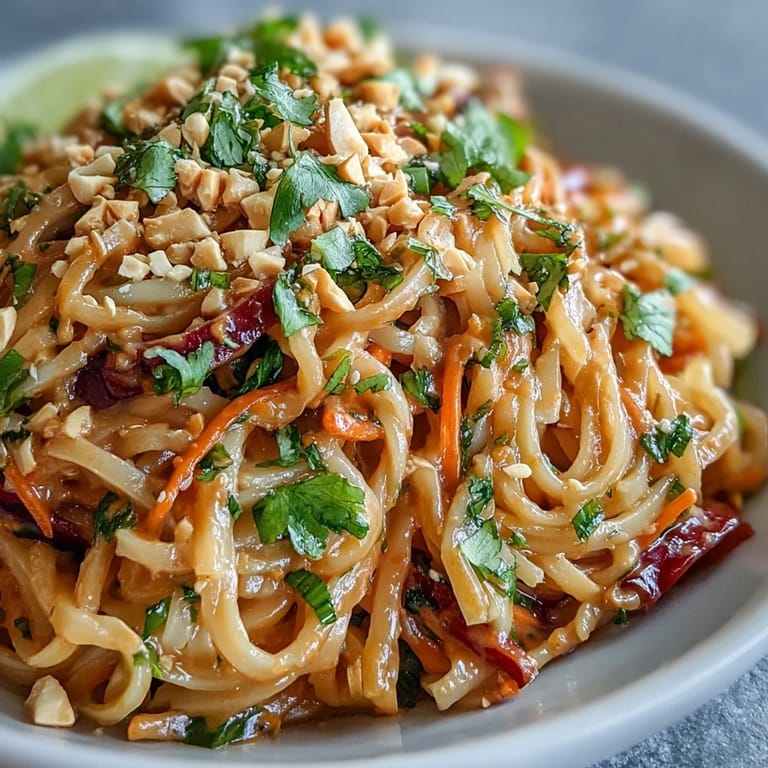
- Divide the noodle mixture among serving bowls or plates, then top each portion with chopped roasted peanuts, a sprinkle of sesame seeds, and an extra small handful of cilantro. Place lime wedges alongside each bowl so everyone can adjust the brightness to their taste.
 Save to Pinterest
 I learned this the hard way when I attempted to serve this dish at a small dinner party and realized halfway through that the whole thing had turned into a thick, clingy mass because I'd used warm noodles and made the dressing too thick. Now I treat every element with intention, cooling, rinsing, and whisking with care—and the result is always a bowl that tastes fresh and alive, not heavy.
Warm or Cold—It's Your Choice
One of the most liberating things about this recipe is that it doesn't demand a specific temperature. On warm evenings, I serve it straight from the fridge with an extra squeeze of lime—it's refreshing and feels almost summery. On cooler nights or when I'm craving something more substantial, I gently warm the noodles in a pot or microwave before tossing with the dressing and vegetables, and it becomes something more like comfort food. Both versions are equally valid, and honestly, the choice depends on your mood and the weather.
Building Flavor Layers
The peanut dressing works because it's not just peanut—it's a conversation between sweet, salty, tangy, and spicy elements that create depth. The soy sauce provides umami, the vinegar keeps it from being cloying, the ginger and garlic add brightness and complexity, and the honey ties everything into a cohesive whole. When you taste the dressing on its own before adding it to the noodles, it might seem almost too bold, but once it coats the soft noodles and mingles with the raw vegetables, that boldness becomes perfectly balanced.
Make It Your Own
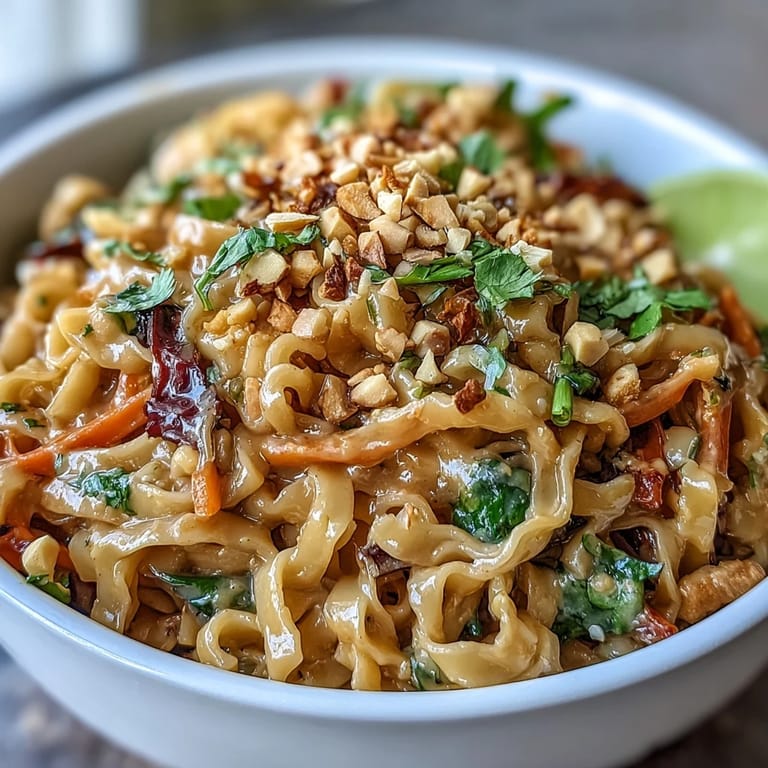
This recipe is genuinely forgiving and welcomes your personal touches without falling apart. I've made it with cucumber instead of bell pepper, added snap peas or water chestnuts for extra crunch, and once used sunflower seed butter when I was out of peanut butter and it was surprisingly delicious. You can grill slices of tofu or chicken to add protein, toss in some shrimp for richness, or keep it vegetarian exactly as written.
- Try adding a teaspoon of chili paste or sriracha to the dressing if you like heat and depth.
- Fresh mint or Thai basil can substitute for cilantro if that's what you have on hand.
- Leftover noodle bowls keep beautifully in the fridge for up to three days, though the vegetables will soften slightly.
 Save to Pinterest
 This bowl has become my answer to the question of what to make when I want something nourishing but don't want to spend hours in the kitchen. It's the kind of recipe that feels like a small act of kindness to yourself.
Common Questions
- → Can I make this dish gluten-free?
Yes, use rice noodles instead of wheat noodles and replace regular soy sauce with tamari. All other ingredients are naturally gluten-free.
- → How long does the peanut dressing last?
The peanut dressing can be stored in an airtight container in the refrigerator for up to one week. Whisk well before using as it may thicken when cold.
- → Can I serve this warm instead of cold?
Absolutely. Serve immediately after tossing with the warm dressing, or gently reheat the assembled bowl in the microwave for 1-2 minutes.
- → What protein additions work well?
Grilled tofu, baked or pan-fried chicken, and sautéed shrimp are excellent protein options. Add about 100-150 g per serving.
- → Can I substitute the peanut butter?
For allergies, try almond butter, cashew butter, or sunflower seed butter. Each will slightly alter the flavor profile but still create a creamy, nutty dressing.
- → What other vegetables can I add?
Snap peas, cucumber, julienned zucchini, shredded kale, or baby spinach all work beautifully. Use whatever fresh vegetables you have on hand.