 Save to Pinterest
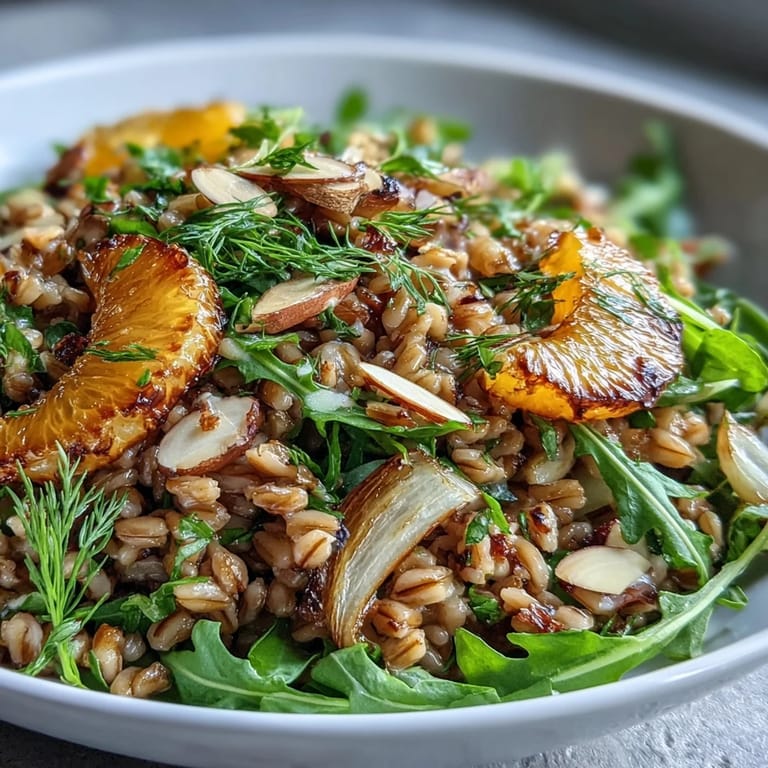
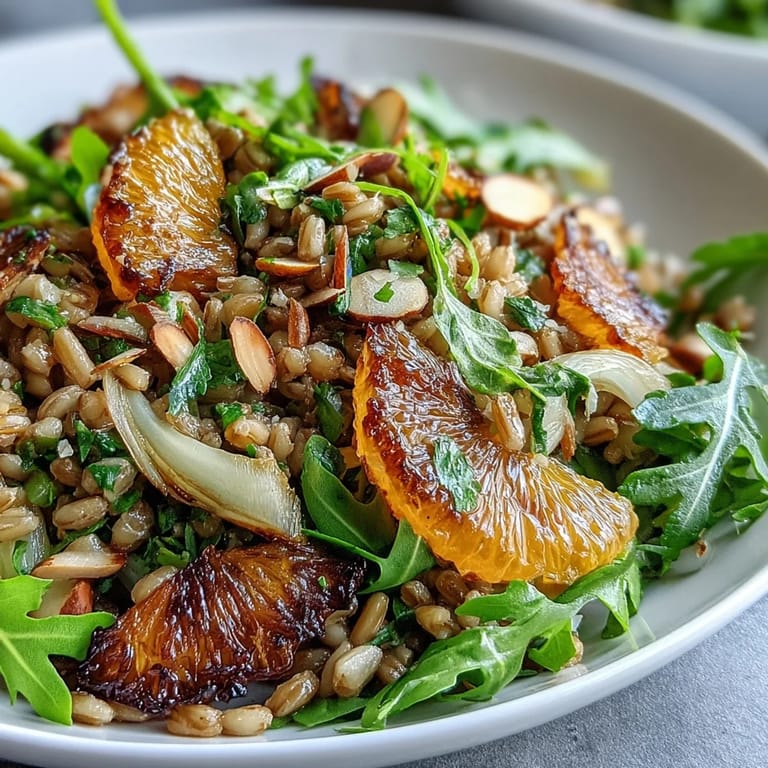
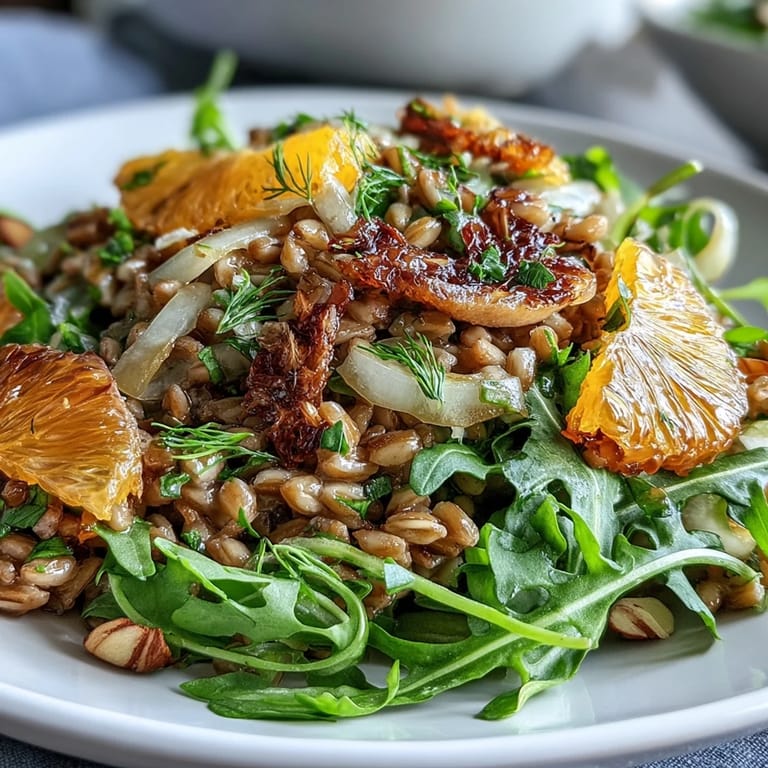
 There's something about the first warm day of spring that makes you crave bright, unexpected flavors, and that's when I discovered farro salads weren't just wholesome—they were genuinely exciting. A friend brought this to a picnic with those gorgeous orange segments catching the light, and I remember thinking how something so simple could taste so vibrant and alive. The nuttiness of the farro paired with crisp fennel felt like a complete revelation, nothing like the heavy grain salads I'd made before. Ever since, this has been my go-to when I want something that feels both nourishing and celebratory, whether I'm eating alone or feeding a crowd.
I made this for a lunch gathering last summer and watched people go back for thirds, which rarely happens with salads at these things. One guest asked if I'd bought it from a fancy restaurant, and I loved being able to say I'd thrown it together that morning—the confidence boost was real. What really struck me was how the salad bridged different eating styles; the vegetarians loved it as-is, while others topped theirs with grilled chicken, and everyone felt equally satisfied. That's when I knew this recipe had staying power.
Ingredients
- Whole grain farro: The hearty foundation that stays wonderfully chewy even after cooking, and unlike rice, it won't turn mushy if you dress it early.
- Water: Use filtered if you have it; tap water works fine, but it affects the subtle flavor of the finished grain.
- Kosher salt: Essential for seasoning the cooking water so the farro absorbs flavor from the start, not just from the dressing.
- Medium fennel bulb: Slice it thin enough to soften slightly when dressed, but thick enough to maintain that pleasant crunch and licorice whisper.
- Large oranges: Choose ones that feel heavy for their size—they'll be juicier and sweeter, and blood oranges add drama if you want variation.
- Fresh arugula or baby spinach: The peppery greens keep everything from feeling too sweet; add them just before serving so they stay tender and bright.
- Fresh parsley: A green counterpoint that adds color and a clean herbaceous note that ties everything together.
- Sliced almonds, toasted: Toasting them yourself makes all the difference in flavor—store-bought toasted versions lose their edge after sitting around.
- Extra-virgin olive oil: Don't skimp here; it's half the dressing and deserves to be something you actually enjoy tasting on its own.
- Orange and lemon juice: Freshly squeezed isn't optional if you want the salad to sing; bottled juice tastes flat by comparison.
- Honey or maple syrup: A touch of sweetness that balances the acid and makes the vinaigrette come alive.
- Dijon mustard: Acts as an emulsifier to keep the dressing cohesive and adds a subtle sharpness that prevents everything from tasting one-note.
Tired of Takeout? 🥡
Get 10 meals you can make faster than delivery arrives. Seriously.
One email. No spam. Unsubscribe anytime.
Instructions
- Prepare and cook the farro:
- Rinse the farro under cold water until the water runs clear, which removes excess starch and helps it stay individual and fluffy. In a medium saucepan, combine the rinsed farro with 3 cups of water and kosher salt, bring it to a boil, then reduce the heat, cover, and simmer for 25 to 30 minutes until the grains are tender but still retain a slight chew—you're not aiming for mushy here.
- Toast the almonds:
- While the farro is cooking, warm a dry skillet over medium heat and add your sliced almonds, stirring constantly for 2 to 3 minutes until they turn golden and release that intoxicating toasted aroma. Transfer them immediately to a plate so they don't burn in the residual heat.
- Prep your produce:
- Peel your oranges and carefully segment them over a bowl to catch any juice for the dressing, then thinly slice the fennel bulb on a mandoline or with a sharp knife. Keep those delicate fennel fronds separate if your bulb has any—they'll become your final garnish.
- Build the salad base:
- Once the farro has cooled slightly, combine it in a large bowl with the sliced fennel, orange segments, fresh greens, and chopped parsley. The farro will absorb dressing better when it's still warm, so don't wait too long after it's finished cooking.
- Make the vinaigrette:
- In a small bowl or jar, whisk together the olive oil, fresh orange juice, lemon juice, honey, Dijon mustard, sea salt, and black pepper until the mixture emulsifies and becomes slightly thicker. Taste it on a piece of farro before you dress the whole salad—you want it bright and balanced, not one-note acidic or too oily.
- Dress and finish:
- Pour the vinaigrette over your salad and toss gently to coat everything evenly, then scatter the toasted almonds on top and give it one final light toss. Garnish with those reserved fennel fronds and serve immediately if you like everything crisp, or chill it for an hour if you prefer the flavors even more blended.
 Save to Pinterest
 There was a moment during that picnic when someone asked me to write down the recipe, and I realized this salad had become the kind of dish people actually wanted to remake at home. That's when food stops being just sustenance and becomes something you're proud to share, something that creates tiny moments of connection around a table.
Why This Salad Works Year-Round
The genius of this salad is how it adapts to whatever produce is at its peak without losing its soul. In summer, I've swapped regular oranges for grapefruit segments and added fresh mint alongside the parsley, and it tastes like a completely different salad while maintaining that same satisfying backbone. Winter versions get pomegranate seeds instead of oranges, which adds tartness and jewel-like color, and the fennel actually becomes milder and sweeter when it's in season. The farro and almond foundation stays constant, so you're never starting from scratch—you're just playing with variations on a reliable theme.
Building Layers of Flavor
This salad taught me something important about how flavors develop when you're not cooking over heat—each ingredient needs to pull its own weight and contribute something distinct. The fennel brings anise and crunch, the orange brings brightness and sweetness, the arugula brings peppery green notes, and the almonds bring richness and texture, but they only sing together when the dressing is balanced and the proportions are right. I've learned to taste as I build, adjusting the honey if citrus is particularly sharp that day, or adding a touch more mustard if the olive oil is particularly mild. It's this kind of attention that transforms a collection of ingredients into something cohesive and memorable.
Storage, Serving, and Creative Additions
This salad keeps beautifully in the refrigerator for up to three days if you store the dressing separately, which means it's an excellent choice for meal prep or bringing to work the next day. The farro actually absorbs more flavor as it sits, so leftovers often taste better than the first serving—something I've never experienced with most salads. You can also dress it completely and eat it chilled if you prefer, though I find room-temperature versions taste more vibrant and alive.
- Add grilled chicken, chickpeas, or crumbled feta if you want more protein and heft for a main-course salad.
- Substitute barley or quinoa for the farro if you need gluten-free, and the cooking time adjusts accordingly based on your grain of choice.
- Pair this with crisp Sauvignon Blanc or a light rosé to let the bright citrus flavors really pop without competing with heavy wines.
 Save to Pinterest
 This salad has become my answer to that question of what to bring to someone's house when you want to feel like you put real thought into it. The beauty is that it looks impressive and tastes bright without ever feeling like you're in the kitchen for hours.
Common Questions
- → Can I make this ahead of time?
Yes, prepare up to 24 hours in advance. Store components separately and combine just before serving to maintain texture and freshness.
- → What can I substitute for farro?
Barley, wheat berries, or quinoa work beautifully. Adjust cooking times accordingly and rinse quinoa thoroughly to remove bitterness.
- → How do I prevent the salad from getting soggy?
Allow the farro to cool completely before mixing. Dress just before serving, and store leftover undressed portions in airtight containers.
- → Can I add protein to make it a complete meal?
Grilled chicken, chickpeas, white beans, or crumbled feta cheese transform this into a satisfying main dish with added protein and flavor.
- → What other citrus fruits work well?
Blood oranges add stunning color, grapefruit offers pleasant bitterness, and mandarins provide sweetness. Mix varieties for a colorful presentation.