 Save to Pinterest
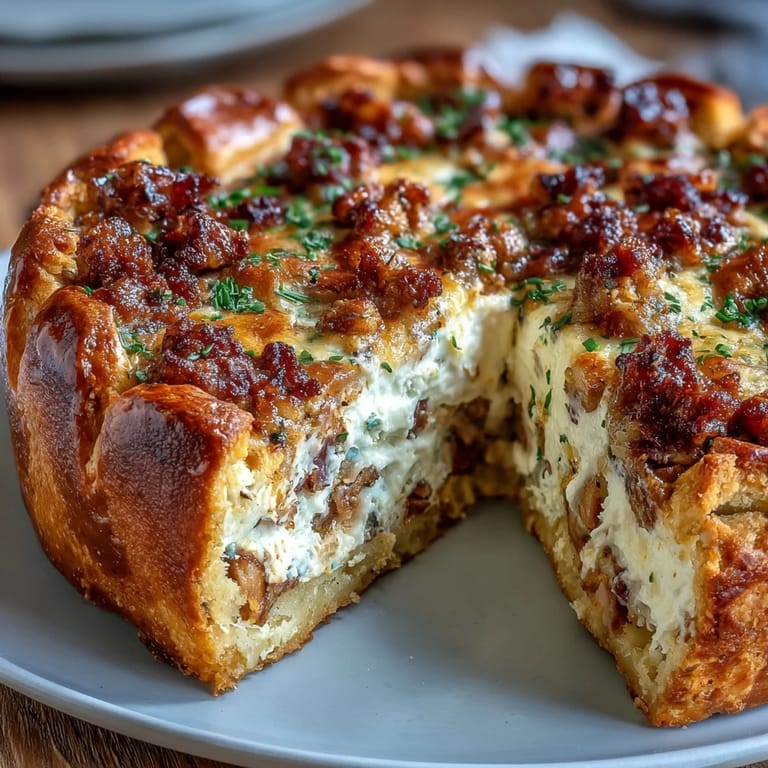
 Italian Easter Pie, known as Pizza Rustica or Pizza Chiena, is a treasured tradition that graces Italian tables during the Easter holiday. This savory masterpiece combines creamy whole-milk ricotta with salty Italian salami, nutty Parmigiano-Reggiano, and melted mozzarella, all embraced by a tender, buttery pastry crust. The lattice top adds an elegant touch while allowing the rich, aromatic filling to peek through. Whether served at Easter brunch or as a festive centerpiece for any springtime gathering, this pie brings together the rustic flavors of Italian countryside cooking with the elegance of a carefully crafted celebration dish.
Save to Pinterest The magic of this Italian Easter Pie lies in its perfect balance of textures and flavors. The homemade pastry, enriched with butter and eggs, bakes up flaky and golden, providing the ideal vessel for the luxurious filling. Inside, well-drained ricotta creates a creamy base that's elevated by the sharpness of Parmigiano-Reggiano and the mellow richness of mozzarella. Diced Italian salami adds bursts of savory, peppery flavor throughout, while fresh parsley, nutmeg, and black pepper bring aromatic depth. This is comfort food at its finest, rooted in generations of Italian family recipes.
Ingredients
Tired of Takeout? 🥡
Get 10 meals you can make faster than delivery arrives. Seriously.
One email. No spam. Unsubscribe anytime.
- Pastry: 2 1/2 cups (315 g) all-purpose flour, 1/2 cup (115 g) unsalted butter (cold and cubed), 1/2 teaspoon salt, 2 large eggs, 2–3 tablespoons cold water
- Filling: 2 cups (500 g) whole-milk ricotta cheese (well drained), 4 large eggs, 1/2 cup (120 ml) heavy cream, 1 cup (120 g) grated Parmigiano-Reggiano cheese, 1 1/2 cups (180 g) diced Italian salami, 1 cup (100 g) shredded mozzarella cheese, 1/4 cup (10 g) chopped fresh parsley, 1/2 teaspoon ground black pepper, 1/4 teaspoon nutmeg, 1/2 teaspoon salt
- To Finish: 1 egg, beaten (for egg wash)
Instructions
- Step 1: Prepare and preheat
- Preheat oven to 375°F (190°C). Grease a 9-inch (23 cm) springform or deep pie pan.
- Step 2: Make the pastry
- In a large bowl, combine flour and salt. Cut in butter until mixture resembles coarse crumbs. Add eggs and enough cold water to form a soft dough. Knead briefly, wrap in plastic, and chill for 20 minutes.
- Step 3: Line the pan
- Roll out two-thirds of the pastry and line the prepared pan, allowing excess to overhang.
- Step 4: Prepare the filling
- In a large bowl, combine ricotta, eggs, heavy cream, Parmigiano-Reggiano, mozzarella, parsley, salt, pepper, and nutmeg. Stir in diced salami until evenly distributed.
- Step 5: Assemble
- Pour filling into the pastry-lined pan and smooth the top.
- Step 6: Create lattice top
- Roll out remaining pastry and cut into strips. Arrange strips in a lattice pattern over the filling. Trim and crimp edges.
- Step 7: Apply egg wash
- Brush lattice and edges with beaten egg.
- Step 8: Bake
- Bake for 55–60 minutes, or until golden and set. If the crust browns too quickly, cover edges loosely with foil.
- Step 9: Cool and serve
- Cool for at least 30 minutes before slicing. Serve warm or at room temperature.
Zusatztipps für die Zubereitung
The key to a perfect Italian Easter Pie starts with well-drained ricotta—excess moisture can make the filling watery and prevent proper setting. Place the ricotta in a fine-mesh sieve lined with cheesecloth and let it drain in the refrigerator for several hours or overnight. When making the pastry, keep the butter cold and work quickly to ensure a flaky, tender crust. Chilling the dough for the full 20 minutes is essential; it relaxes the gluten and makes rolling easier. If your kitchen is warm, chill the rolled-out pastry strips for the lattice before arranging them on top. When brushing with egg wash, be generous—it creates that beautiful golden sheen. Watch the pie carefully during the last 15 minutes of baking; if the crust is browning too quickly, tent it loosely with aluminum foil to prevent burning while the filling finishes setting.
Varianten und Anpassungen
This Easter Pie is wonderfully adaptable to different tastes and dietary needs. For a milder flavor, substitute prosciutto or cooked ham for the salami—both provide savory richness without the spicy kick. If you prefer a vegetarian version, omit the meat entirely and add 1 1/2 cups of sautéed spinach (squeezed dry) or chopped marinated artichoke hearts for a fresh, herbaceous filling. You can also experiment with the cheese blend: try adding crumbled feta for tanginess, or swap half the mozzarella for provolone for a sharper flavor profile. For a more rustic presentation, skip the lattice and simply top the pie with a full pastry lid, cutting decorative vents for steam to escape. Some families add a pinch of red pepper flakes to the filling for subtle heat, or fold in sun-dried tomatoes for a Mediterranean twist. The pastry can also be made with lard instead of butter for a more traditional texture.
Serviervorschläge
Italian Easter Pie is best served slightly warm or at room temperature, allowing the flavors to shine and the filling to slice cleanly. Cut into generous wedges and serve alongside a crisp green salad dressed with lemon vinaigrette to balance the richness. For an authentic Easter brunch spread, accompany the pie with roasted asparagus, fresh crusty bread, and a selection of Italian olives and marinated vegetables. A glass of light Italian white wine, such as Pinot Grigio or Vermentino, complements the savory filling beautifully. Leftovers keep well in the refrigerator for up to three days—simply reheat individual slices in a 325°F oven for 10–15 minutes, or enjoy them cold for a quick, satisfying lunch. The pie can also be made a day ahead; let it cool completely, cover tightly, and refrigerate, then bring to room temperature or gently rewarm before serving. This makes it an ideal dish for stress-free holiday entertaining.
 Save to Pinterest
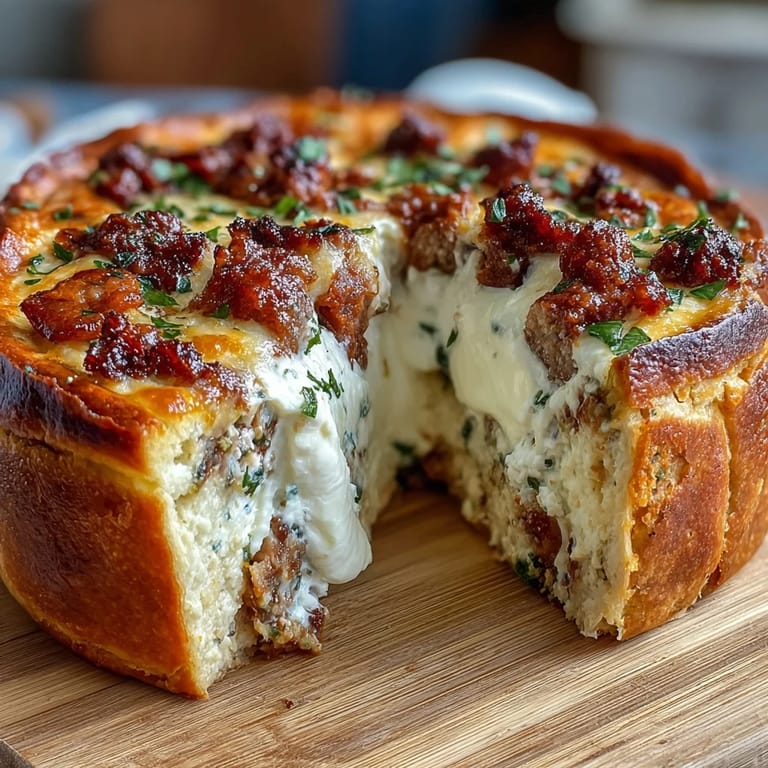
 This Italian Easter Pie is more than just a recipe—it's a connection to generations of Italian families who have gathered around the table to celebrate la Pasqua. The combination of creamy ricotta, savory salami, and nutty cheeses wrapped in golden pastry creates a dish that's both comforting and impressive. Whether you're honoring your own Italian heritage or simply exploring the rich culinary traditions of Italy, this pie brings joy, flavor, and a sense of occasion to any meal. Make it for Easter, for a special brunch, or any time you want to share something truly memorable with the people you love.
Common Questions
- → What type of cheese is best for the filling?
Whole-milk ricotta provides a creamy base, complemented by grated Parmigiano-Reggiano and shredded mozzarella for added richness and flavor depth.
- → Can I substitute the salami with another meat?
Yes, prosciutto or cooked ham can be used as alternate cured meats to maintain the savory profile.
- → How is the pastry prepared for this pie?
A tender, flaky crust is made by blending flour, cold butter, salt, eggs, and cold water, then chilled before rolling and lining the pan.
- → What is the purpose of the lattice crust topping?
The lattice made from pastry strips adds an appealing texture and allows steam to escape during baking, ensuring the filling sets properly.
- → Can this dish be made vegetarian?
Omit the salami and add sautéed spinach or artichokes to the filling for a flavorful vegetarian version.
- → How long should the pie cool before serving?
Cooling for at least 30 minutes helps the filling to set completely, making slicing easier and enhancing texture.