 Save to Pinterest
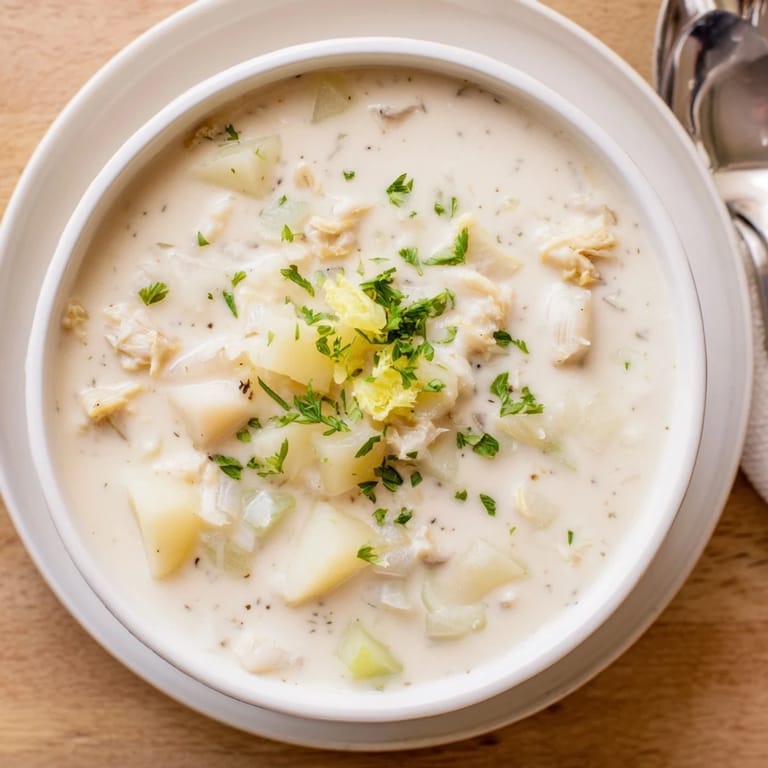
 The first time I attempted New England clam chowder, I was living in a tiny apartment with a kitchen that barely fit two people. My roommate had just returned from a trip to Boston with stories about creamy bowls at waterfront restaurants, and I became obsessed with recreating that experience. What I didn't realize then is that truly great chowder isn't just about throwing ingredients into a pot it's about patience and restraint. I've since learned that rushing the roux or skipping the clam-steaming step makes all the difference between restaurant quality and something that tastes like it came from a can.
Last winter during a particularly brutal snowstorm, I made a triple batch of this chowder for neighbors who were stuck without power. We gathered around my stove with candles flickering on the counter, dipping crusty bread into steaming bowls while the wind howled outside. One of them, a New England native, took one sip and declared it better than what she'd grown up eating. That's the moment I knew this recipe wasn't just good it was something worth sharing.
Ingredients
- Fresh clams: Steaming them yourself creates that authentic broth you simply cannot buy but canned clams work beautifully in a pinch
- Potatoes: Yukon Gold hold their shape better than Russets while becoming perfectly tender
- Onion, celery, carrot: This aromatic foundation builds layers of flavor that develop as the soup simmers
- Butter: Unsalted lets you control seasoning and creates the most velvety base
- Heavy cream: The secret to restaurant style richness though half and half works for a lighter version
- Flour: Just enough to create a silky roux without making the chowder gloppy
- Bay leaf and thyme: These herbs add that classic New England depth without overpowering the delicate clams
Tired of Takeout? 🥡
Get 10 meals you can make faster than delivery arrives. Seriously.
One email. No spam. Unsubscribe anytime.
Instructions
- Steam the clams:
- Place fresh clams in a large pot with 1 cup water, cover tightly, and steam over medium heat until they open, about 5 to 7 minutes. Discard any clams that refuse to open, then strain and reserve every drop of that precious liquid. Chop the clams once they're cool enough to handle.
- Build the flavor foundation:
- Melt butter in your large pot over medium heat, then add onion, celery, and carrot if you're using it. Let these vegetables soften for about 5 minutes until they're fragrant and translucent, then add garlic for just 60 seconds until its perfume releases.
- Create the roux:
- Sprinkle flour over the softened vegetables, stirring constantly for 2 full minutes. This step cooks out the raw flour taste and creates the silky base that will transform your liquids into creamy perfection.
- Add liquids and simmer:
- Whisk in the clam juice, milk, and water gradually to prevent any lumps from forming. Add potatoes, bay leaf, thyme, salt, and pepper, then bring everything to a gentle simmer. Let it cook uncovered for 15 to 20 minutes until the potatoes yield easily to a fork.
- Finish with clams and cream:
- Stir in chopped clams and heavy cream, letting everything simmer together for just 5 more minutes. Remove the bay leaf, taste the chowder, and adjust the salt if needed. The clams should remain tender, not rubbery from overcooking.
 Save to Pinterest
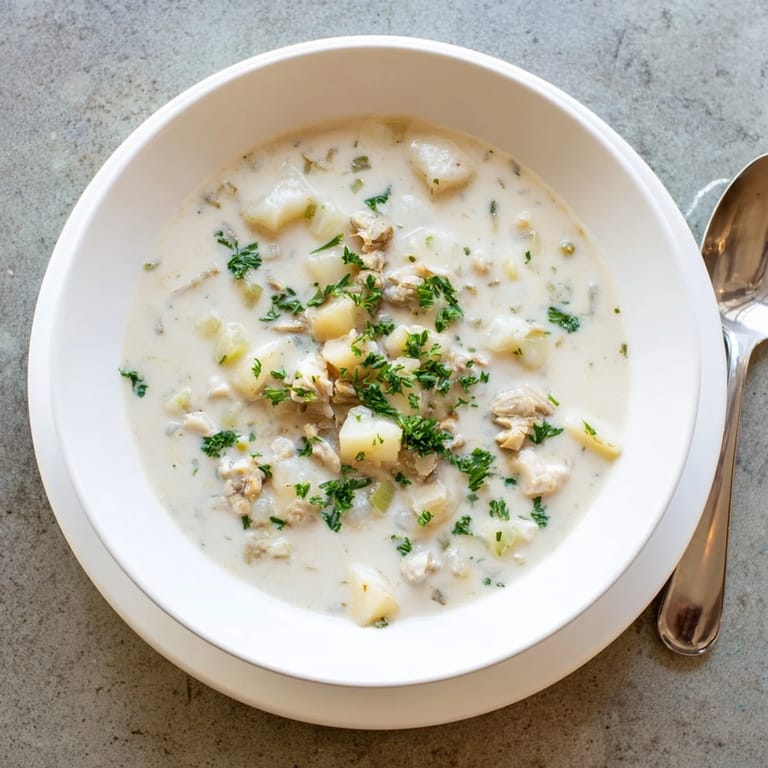
 This chowder has become my go to for comfort food cravings and feeding groups on cold nights. Something about it transforms ordinary dinners into small celebrations.
Choosing Your Clams
Fresh clams worth seeking out at a good fish counter, but don't stress if they aren't available. The canned version with their reserved juice still produces a remarkable bowl of chowder. I've found that the quality of your clam juice matters more than anything else, so if you're using bottled juice, choose a brand you'd actually drink on its own.
Making It Your Own
Bacon transforms this chowder into something completely different and I'm not going to lie, it's incredible. Sauté chopped bacon first, then use that rendered fat instead of butter. For a smoky depth without meat, try adding a pinch of smoked paprika. The recipe also works beautifully with half and half instead of cream if you're watching the richness.
Perfect Pairings
A chilled glass of Chardonnay cuts through the creaminess while a crisp lager refreshes the palate between bites. Beyond drinks, what you serve alongside matters almost as much as the chowder itself.
- Oyster crackers are non negotiable for the full experience
- Crusty bread for dipping is essential
- A simple green salad balances the richness
 Save to Pinterest
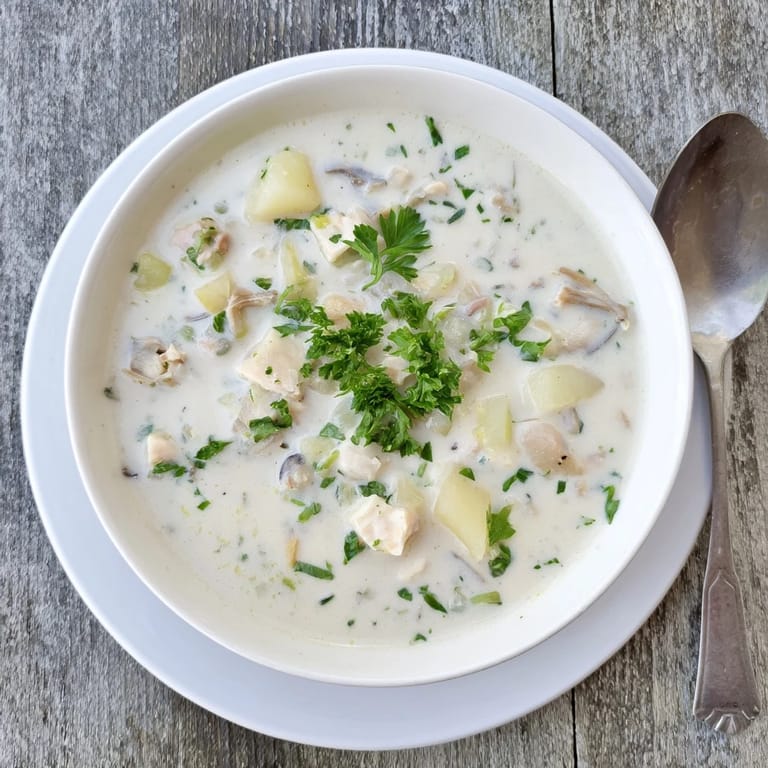
 There's something profoundly satisfying about a bowl of clam chowder that feels like a warm hug on a cold day. I hope this recipe finds its way into your regular rotation.
Common Questions
- → Can I use canned clams instead of fresh?
Absolutely. Canned chopped clams work beautifully—just drain them and reserve the juice to supplement your clam broth. The flavor remains excellent and preparation becomes much quicker.
- → How do I make the chowder thicker?
Mash a few potato pieces against the side of the pot before adding clams and cream. The released starches naturally thicken the broth without additional flour or cornstarch.
- → Can I freeze leftover chowder?
Freezing works, though the dairy may separate slightly upon reheating. Gently reheat over low heat while stirring constantly to restore creaminess. Best enjoyed within 3 months.
- → What wine pairs best with this chowder?
A crisp Chardonnay complements the rich creaminess beautifully. For beer lovers, a cold lager or light pilsner cuts through the velvety texture nicely.
- → How long does homemade chowder keep in the refrigerator?
Properly stored in an airtight container, your chowder will stay fresh for 3-4 days. Reheat gently over medium-low heat, stirring occasionally to prevent separating.
- → Can I add bacon to this chowder?
Bacon makes everything better. Cook 3-4 strips until crispy, chop them, then use the rendered fat in place of butter when sautéing vegetables. Sprinkle crispy bits on top before serving.